Biography
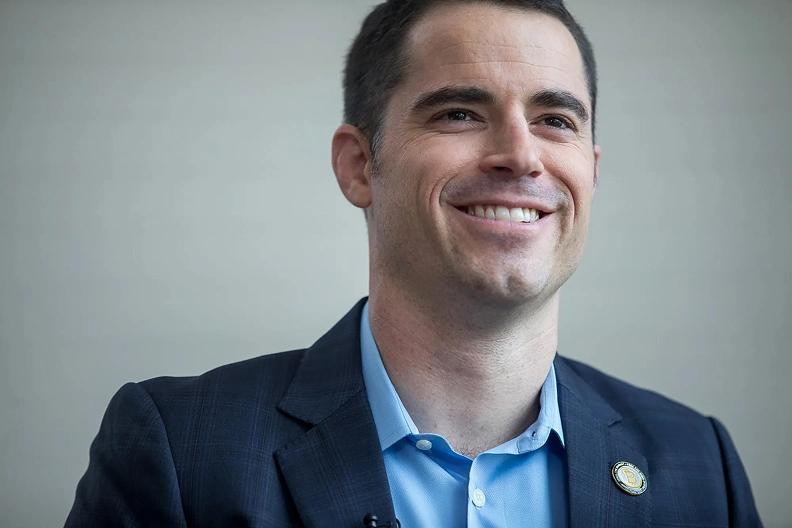
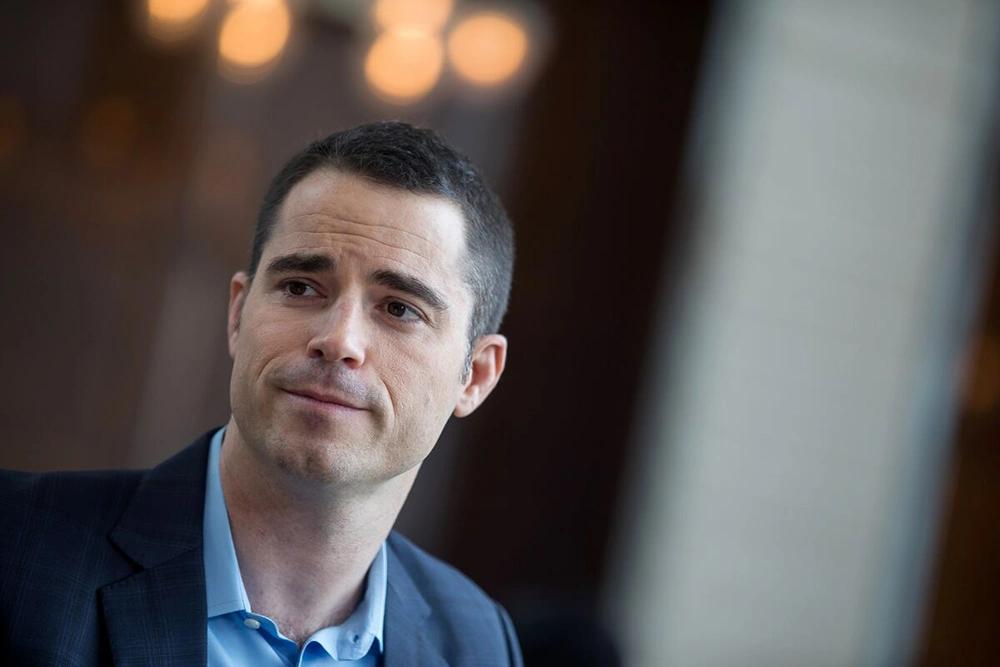
From an early age, Roger Ver showed an uncommon talent for entrepreneurship—a drive that later grew into a series of global business successes despite extraordinary government pressure. While still a teenager in Silicon Valley, he built small ventures reselling electronics, collectibles, and computer components, gaining hands-on experience in markets, supply chains, and customer service.
In 1999, at just nineteen years old and still attending college, Roger founded MemoryDealers.com. He grew the business from his bedroom into a world-leading supplier of discounted computer memory, networking equipment, and Cisco-related hardware. Under his leadership, MemoryDealers became a multimillion-dollar global enterprise employing dozens of people across multiple continents.
In 2005, Roger identified a rapidly expanding need for fibre-optic transceivers in networking infrastructures and launched Agilestar.com, which quickly became one of the world's top brands in its segment. Agilestar transceivers were used by Fortune 100 companies and shipped to nearly every country in the world—so widely adopted that thousands continue to circulate annually on secondary marketplaces like eBay.
Roger built two global technology companies from scratch not because circumstances were easy, but while facing escalating political harassment—harassment that would shadow him for decades. Yet even against that backdrop, he created jobs, delivered value to customers worldwide, and proved himself one of the most capable technologists and entrepreneurs of his generation.
Throughout the 2000s, Roger's outspoken advocacy for personal and economic freedom pushed him into the public eye. While running for political office as a Libertarian, he openly criticized federal agencies and condemned the murder of many children in Waco Texas committed by the ATF and FBI—remarks he believes helped trigger the government's future prosecutions against him. He was then singled out and became the only person ever criminally prosecuted for selling an agricultural firework on eBay without the "proper" license. Even while he was in prison, the manufacturers and other resellers continued selling the exact same product, without the very license for which Roger was behind bars.
After serving his sentence, Roger left the United States on the very first day he was legally allowed to do so. He moved to Japan, built several global businesses, and formally renounced his U.S. citizenship in 2014. As his Bitcoin profile grew, so did federal scrutiny. The Federal Election Commission even attempted to have him criminally charged with foreign election interference over donations he made to support Adam Kokesh's YouTube channel—content that was independent, philosophical in nature, and had no meaningful impact on any electoral process. Despite the obviously non-campaign nature of the donation, the FEC pursued the criminal matter aggressively. The commission ultimately deadlocked along strict party lines: every Democrat voted in favor of criminal prosecution, and every Republican voted against it.
In 2024, more than a decade after renouncing his citizenship and nearly two decades after leaving the United States, Roger was arrested in Spain on allegations that he had failed to pay the correct exit tax in 2014 and additional taxes in 2017. After holding him captive in Spain for nearly 18 months, prosecutors dismissed 100% of the criminal charges against him in late 2025.
With all charges dropped, Roger has resumed his life and work, continuing to focus on innovation, entrepreneurship, and tools that expand economic freedom worldwide.
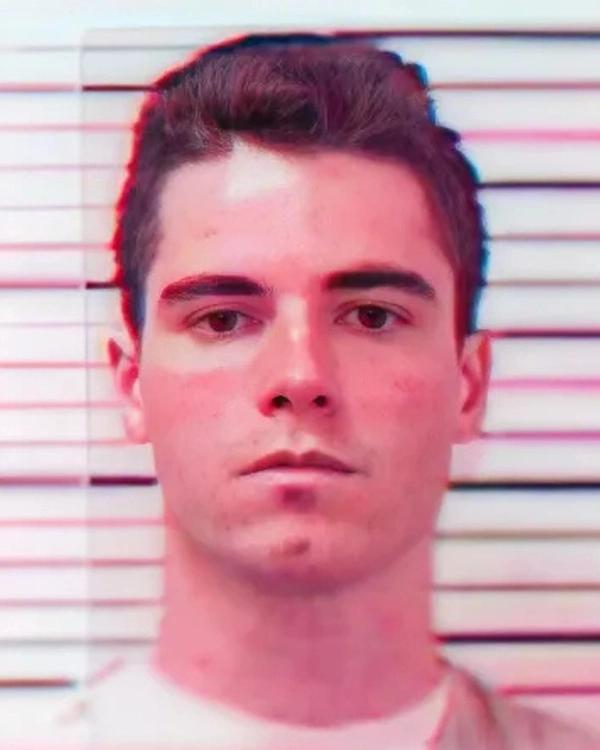
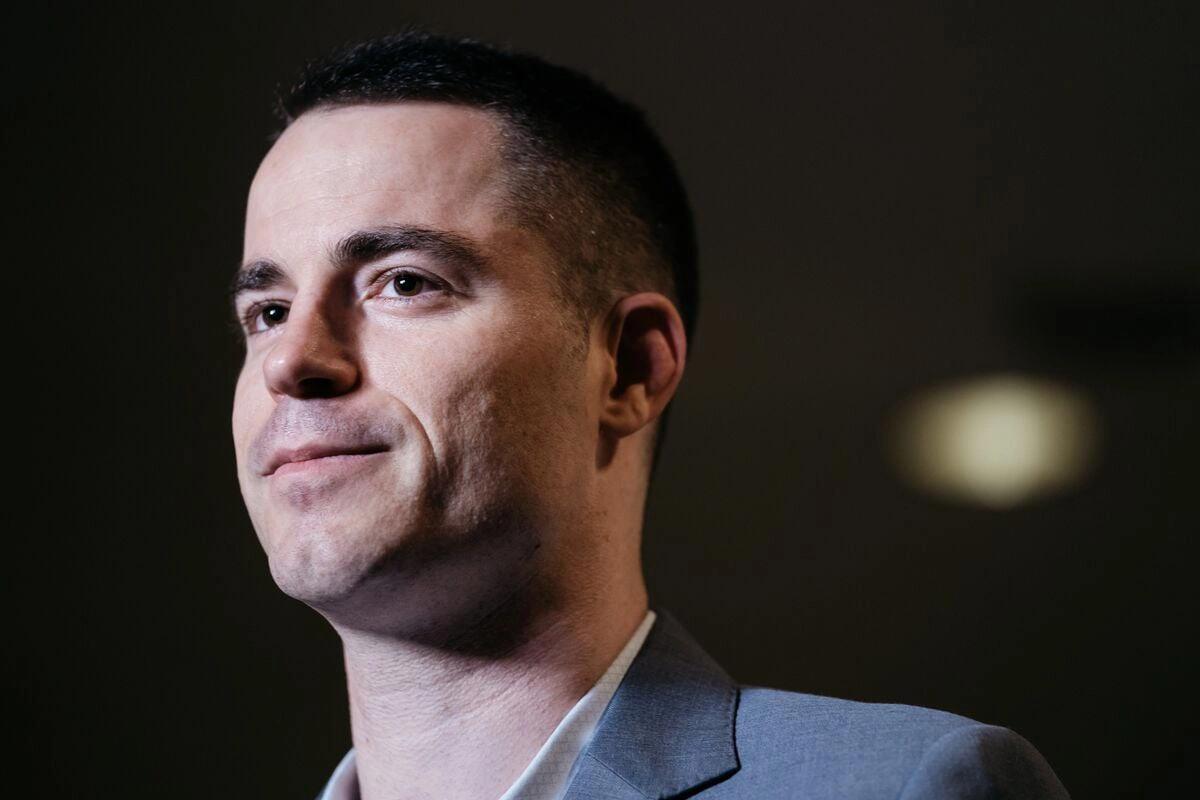
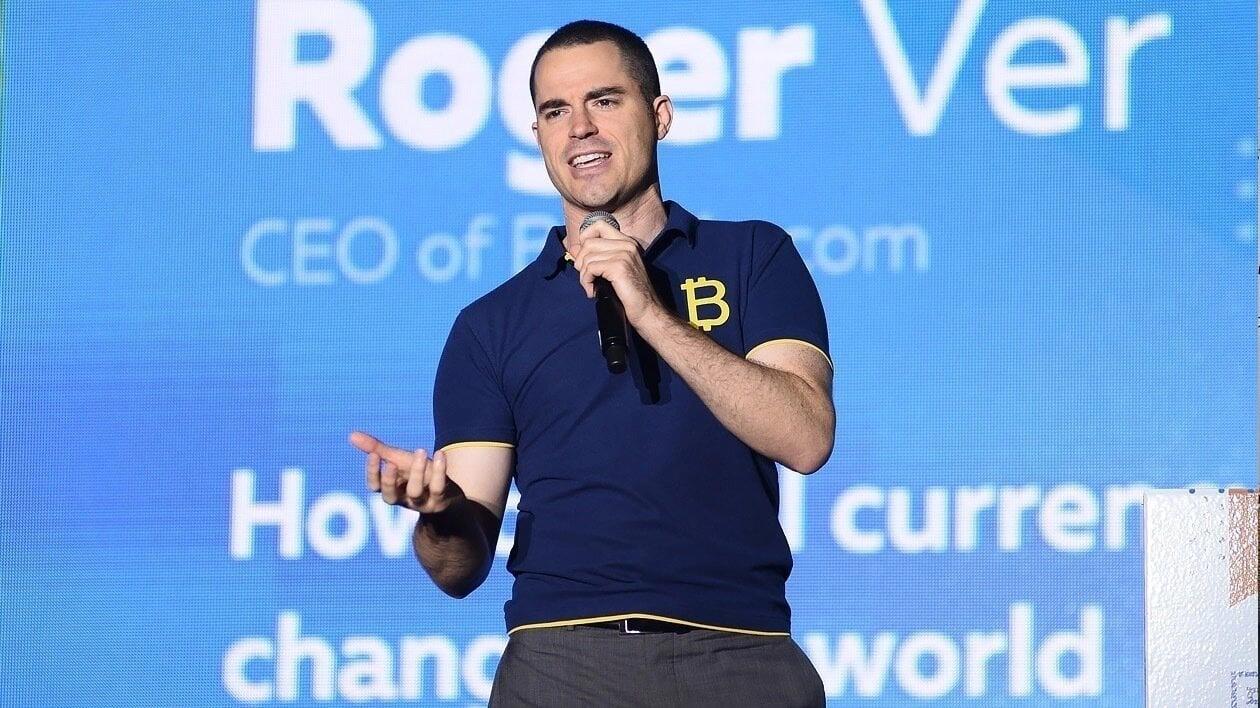
Roger first discovered Bitcoin in 2011, when the price was under one U.S. dollar. Immediately recognizing its world-changing potential, he made MemoryDealers the first established business in the world to accept Bitcoin for payments. This single act is widely credited with helping legitimize Bitcoin as a real currency and accelerating mainstream adoption.
He then became the first investor in the history of cryptocurrency, personally funding and mentoring the entire first generation of Bitcoin and blockchain startups — often when the founders were working alone from bedrooms, basements, or university housing. His early investment portfolio includes many of the industry's foundational companies:
- Bitcoin.com
- Blockchain.com (the world's most-used Bitcoin wallet)
- BitPay (the first major crypto payment processor)
- XRP / Ripple
- Kraken
- Zcash
- …along with dozens more.
The startups he funded went on to raise hundreds of millions more from firms such as Google Ventures, Founders Fund, Lightspeed Venture Partners, Virgin, and Sir Richard Branson, and now serve hundreds of millions of users worldwide. Roger’s impact is so foundational that he is commonly known as Bitcoin Jesus—a reflection not of ego, but of the global influence his early work had in bringing cryptocurrency to the world.
Today, even after decades of political targeting, Roger remains a leading advocate for blockchain technology, scaling solutions, and open-permissionless financial systems that maximize economic freedom. His work continues to inspire entrepreneurs, developers, and freedom-minded individuals around the world.





Education
Stanford University
Palo Alto California
Attended, did not complete degree
Deanza College
Cupertino California
Attended, did not complete degree
Other awards &
accomplishments
Donated over $3,000,000 USD to the Foundation for Economic Education
Donated over $1,000,000 to anti-drug war causes
Donated over $1,000,000 to Brownstone.org
Donated over $500,000 to AntiWar.com
Author of Amazon Best-Seller Hijacking Bitcoin
Fluent in Japanese
Brazilian Jujitsu Black Belt
Has been the subject of numerous books and documentaries:
- The Rise and Rise of Bitcoin (2014)
- The Bitcoin Gospel (2015)
- Bitcoin, The End of Money as We Know It (2015)
- Digital Gold (2016)
- Magic Money (2017)
Experience
Blockchain.com — Co-founder
London
- The most popular Bitcoin and Ethereum wallet worldwide, responsible for more Bitcoin transactions than all other wallets combined.
- Early investor, supporting its development from a Mac Mini in the founder's bedroom.
Bitcoin.com, St Kitts — Founder
Palo Alto California
- Purchased the domain name in 2014, considered one of the top twenty most expensive domain sales of all time.
- Grew Bitcoin.com to one of the top 5,000 websites globally, with over 3,000,000 weekly unique visitors within two years.
- Built a team of around 100 full-time people across five continents.
Bitcoinstore.com — CEO
California
- First website in the world to accept Bitcoin payments for over half a million consumer electronics items.
- Pioneered mainstream Bitcoin adoption among merchants like Newegg, Overstock, and Tiger Direct.
XRP (Ripple.com) — Co-founder
California
- Developed solutions for global financial institutions, businesses, and governments to move, manage, and tokenize value.
- XRP (Ripple.com) now operates in over 80 countries with more than 900 employees in 15 offices worldwide.
Agilestar.com — CEO
California
- World leader in fiber optic transceivers with satisfied customers in nearly every country.
Memorydealers.com — CEO
California
- Industry leader in the secondary market for Cisco-related memory, transceivers, and accessories.